
Install Usb Serial Port
- Install Usb Serial Port Windows 7
- Install Usb Serial Port
- Serial Port To Usb Driver
- Install Usb To Serial Device Ubuntu
Click on the + sign next to Ports (COM & LPT). The list of avail-able ports will be revealed. You will see one entitled USB Serial Port, with the assigned COM port number identified in brackets. To work with most of the tools you are likely to use with microcontrollers, the COM port should be 1, 2, 3, or 4.
- Once the driver installation is complete, you should see the device reappear in the Device Manager window as a usable COM port. The number will vary depending on how many devices you have plugged into your computer. The RedBoard will appear as a USB Serial Port, as shown in the left image.
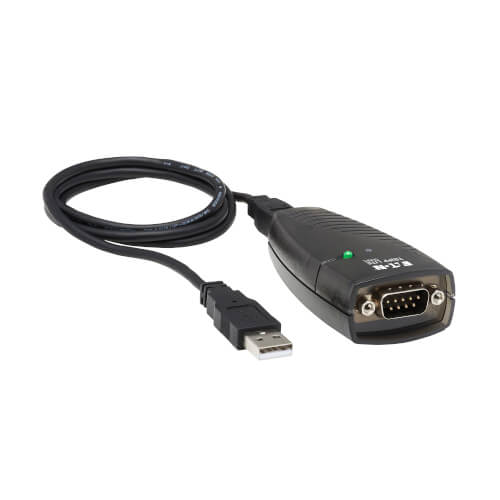
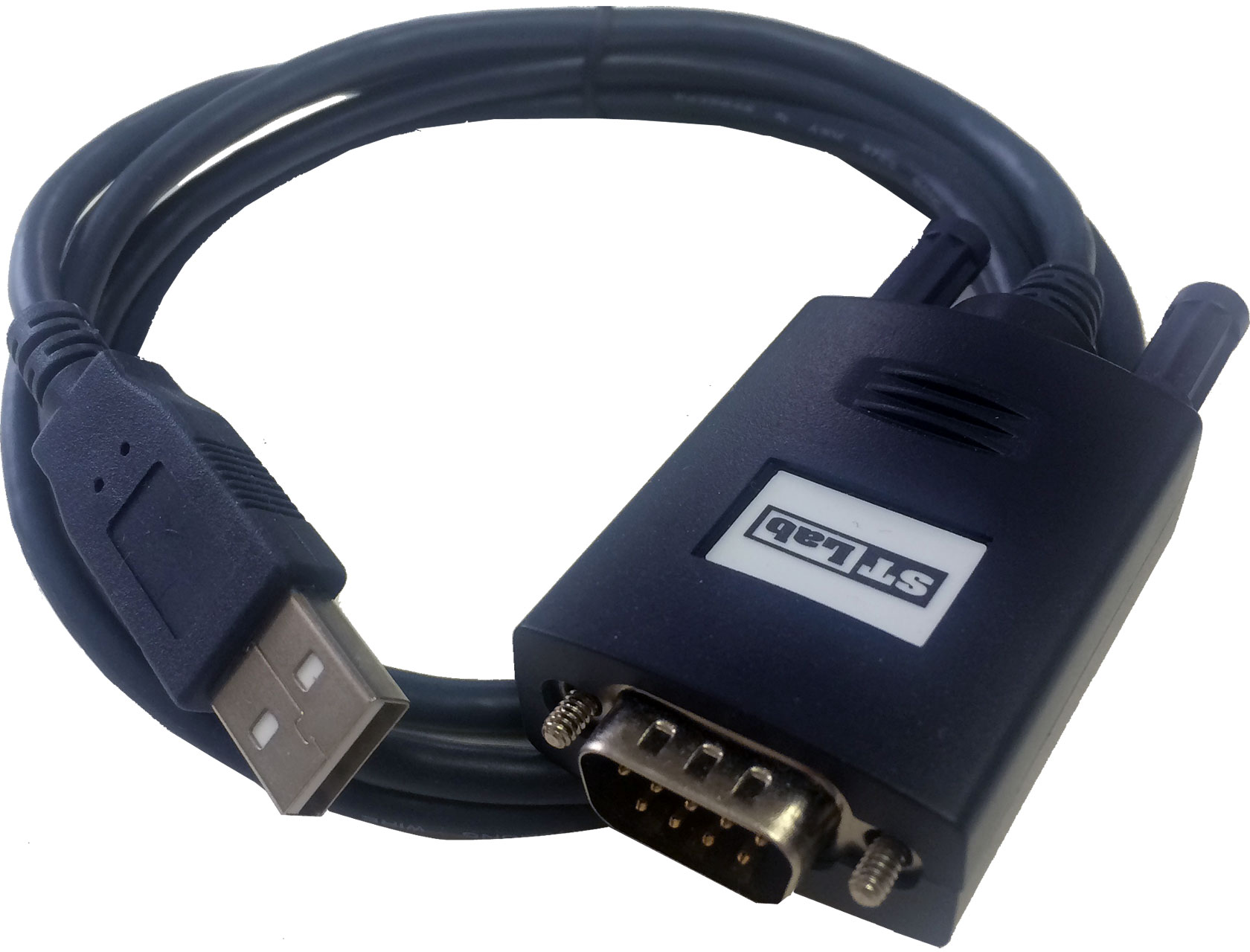
- Connect RS232 device into any USB port on your laptop/computer. Allow 20+- seconds for Windows to attempt to install drivers automatically. If it's successful, skip to Step 2 below. However in 95% of cases, it will fail to automatically install the drivers. So you have to install drivers manually.
- Connect the USB Serial converter to an available USB port, and the “Found New Hardware Wizard” will guide you through the installation process. When prompted to connect to Windows Updates to search for drivers, select “No, not at this time”, and follow the instructions for installing from the CD.
I hope that this blog post is found and helps someone. I wasn't sure what to title it. Hope Google Juice got you here!
Read this whole post, there's a lot initially but there's really just two or three small pieces. It'll be worth it because you'll be able to have a nice one click menu and drop directly into a serial port terminal on Windows in the Windows Terminal
Often when you're doing embedded systems development you'll want to monitor or talk to the COM/Serial Port just like you SSH into remote system. Folks ask questions like 'How to connect to a serial port as simple as using SSH?'
On Linux you'll use things like 'screen /dev/ttyS0' for COM0. With Windows, however, the historical guidance has always been to use Putty. It'll work but it's somewhat old, quirky, and it doesn't integrate well with the Windows Terminal and a more modern workflow.
Say I have a small embedded microcontroller device that talks over a COM Port (usually via a USB->COM bridge) like an Arduino.
Let's assume this device talks to the COM port as if it were a terminal and it's outputting stuff I want to see. I'll use this great little CLI example app for Arduino from Mads Aasvik to simulate such a device.
Here's what it looks like under Arduino's Serial Monitor, for example. /star-defender-5-full-download.html. This is a Windows app doing serial communication with its own interface wrapping around it. I want to do this at a command line, and bonus points if it's in Windows Terminal.
Setup WSL1
If you have Windows 10 you can the Windows Subsystem for Linux quickly with this command at a Admin prompt:
Then go to the Windows Store and get any small Linux. /zip-file-apk-for-ppsspp.html. Ubuntu or Kali will do for our purposes. Run it and set your user and password. (I tried Alpine but it still has issues with screen and /dev/null/utmp)
NOTE: If you are using WSL2 and have set it as default, run wsl --list -v and ensure that your new distro is using WSL1 as only WSL1 will let us talk to the COM Ports. You can change it to WSL1 with 'wsl --set-version DISTRONAME 1' from any command prompt.
To test this out now, run your new distro from any command line prompt like this. Add the 'screen' app with sudo apt update' and 'sudo app install screen'.
You can see here that my Arduino serial device is on COM4. On Linux that device is /dev/ttyS4
That means that I should be able to talk it from any WSL1 Linux Distro on Windows like 'screen /dev/ttyS4 9600' where 9600 is the speed/baud rate.
Get Minicom on your WSL1 distro
Screen is somewhat persnickety for Serial Port work so try Minicom. Minicom is a nice little text com program. Install with apt install minicom and run for the first time with 'sudo minicom -s' to set your default. Note I've change the default port from /dev/modem to /dev/ttyS4 and the speed, in my case, to 9600.
Then I hit enter and save settings as the dft (default) in minicom. You can also turn on Local Echo with 'Ctrl-A E' and toggle it if needed. Now I can talk to my Arudino with minicom.
Ensure dialout permissions to talk to the COM port
NOTE: If you get 'cannon open /dev/ttyS4: Permission denied, you may need to add your user to the dialout group. This way we don't need to sudo and get no prompt when running minicom!
I can now run minicom on my configured COM port 4 (/dev/ttyS4) with wsl -d DISTRONAME minicom without sudo.
Here I'm talking to that Arduino program. This embedded app doesn't need to me hit enter after I type, so remember your own embedded devices will vary.
Install Usb Serial Port Windows 7
Make a nice menu
Bonus points, now I'll add a menu item for Minicom by changing my Windows Terminal settings AND I'll get more points for adding a nice serial port icon!
I hit settings and add a new profile like this at the top under profiles in the 'list.' Again, your distro name will be different.
To review:
- Use a WSL1 distro
- Install minicom, run with minicom -s once to make settings
- Make sure you are using the right /dev/ttyS0 device for your situation
- Ensure your flow control, baud, etc are all correct in minicom
- Add your user to the dialout group so you don't have to sudo minicom
- Make a menu item in Windows Terminal
- or run minicom manually in your WSL1 instance whenever you like
Hope this helps!
Install Usb Serial Port
Sponsor: Suffering from a lack of clarity around software bugs? Give your customers the experience they deserve and expect with error monitoring from Raygun.com. Installs in minutes, try it today!
About Scott
Scott Hanselman is a former professor, former Chief Architect in finance, now speaker, consultant, father, diabetic, and Microsoft employee. He is a failed stand-up comic, a cornrower, and a book author.